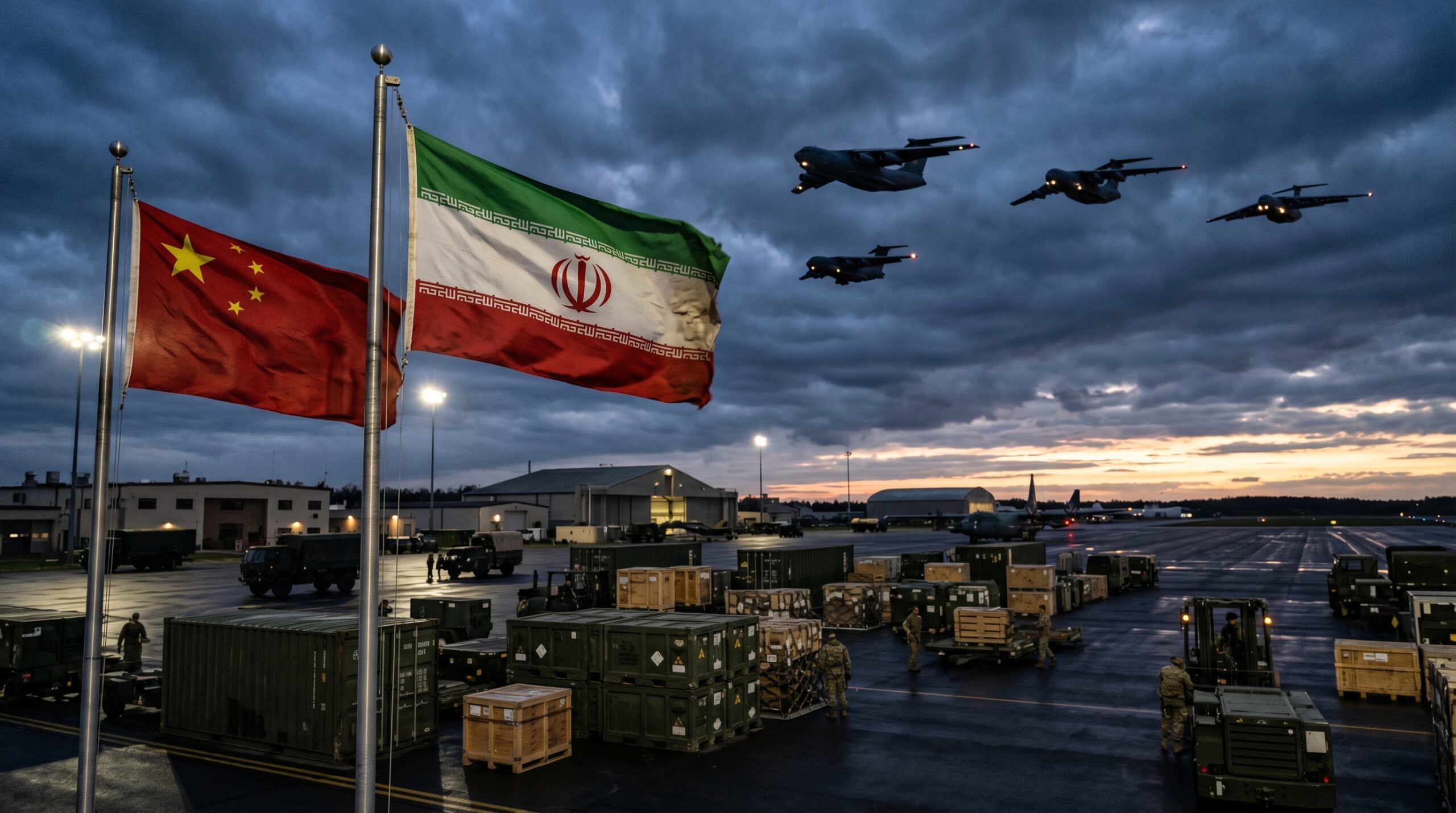
China sending weapons to Iran is no longer just a geopolitical suspicion. It is now the subject of a bombshell US intelligence assessment that has rattled Washington, alarmed NATO allies, and complicated already fragile peace negotiations in Islamabad. According to an exclusive report published Saturday by CNN, American intelligence officials have determined that Beijing is actively preparing to deliver advanced air defense systems to Tehran within the coming weeks, even as a tenuous two-week ceasefire between Iran and the United States remains in effect.
The revelation strikes at the heart of the US-China relationship at perhaps its most sensitive moment in years, raising urgent questions about Beijing’s true intentions, the durability of the ceasefire deal, and what a new Chinese weapons pipeline into Iran would mean for US military forces and broader regional stability.
What US Intelligence Actually Says About China Sending Weapons to Iran
According to three sources familiar with recent intelligence assessments, as first reported by CNN’s exclusive investigation, China is preparing to transfer shoulder-fired anti-aircraft missiles known as MANPADs (Man-Portable Air Defense Systems) to Iran.
MANPADs are single-operator weapons that are portable, concealable, and lethally effective against low-flying aircraft. The United States has prioritized preventing their global proliferation for decades. Their potential delivery to Iran is not abstract. These are the same class of weapons that posed a serious asymmetric threat to low-flying US military aircraft throughout the five-week US-Israel-Iran war that began on February 28, 2026.
Two of the intelligence sources told CNN there are strong indications that Beijing is attempting to route the shipments through third countries to mask their origin, a deliberate effort to preserve plausible deniability while still arming Tehran.
The Chinese embassy in Washington flatly denied the report. A spokesperson stated that China has never provided weapons to any party to the conflict and called the information untrue. The embassy further urged the United States to refrain from making baseless allegations and engaging in sensationalism.
The War Context: What Happened Between the US, Israel, and Iran
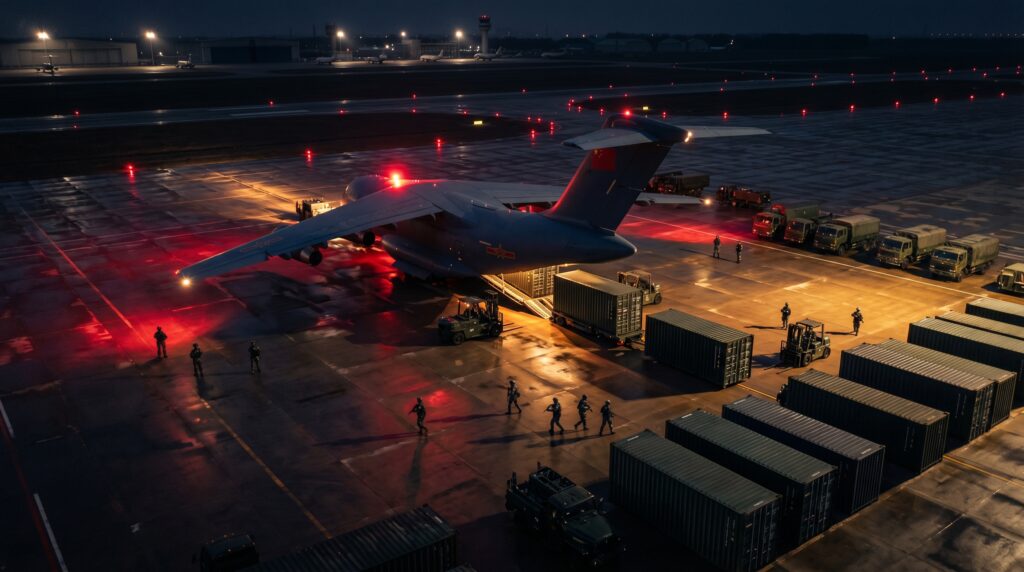
The United States and Israel launched a joint military campaign against Iran on February 28, 2026. The five-week war resulted in nearly 3,000 Iranian deaths according to Iranian authorities, while the conflict also claimed the lives of at least 13 US servicemen and left dozens more wounded. The conflict disrupted the Strait of Hormuz, one of the world’s most critical oil shipping chokepoints, causing global energy market turbulence.
A fragile two-week ceasefire took effect on Wednesday, April 9, 2026. Beijing publicly claimed credit for helping broker this agreement, with an embassy spokesperson telling CNN that China has been working to help bring about a ceasefire and end to the conflict. The intelligence about China sending weapons to Iran therefore represents a deeply contradictory posture, claiming peace broker status publicly while allegedly preparing to arm one side of the conflict privately.
US Vice President JD Vance is currently leading a US delegation in Islamabad for direct talks with Iranian officials this weekend. The outcome of those Islamabad negotiations is widely seen as determining whether the ceasefire evolves into lasting peace or collapses back into open warfare.
The F-15 Shootdown: A Glimpse of What Chinese Weapons Can Do
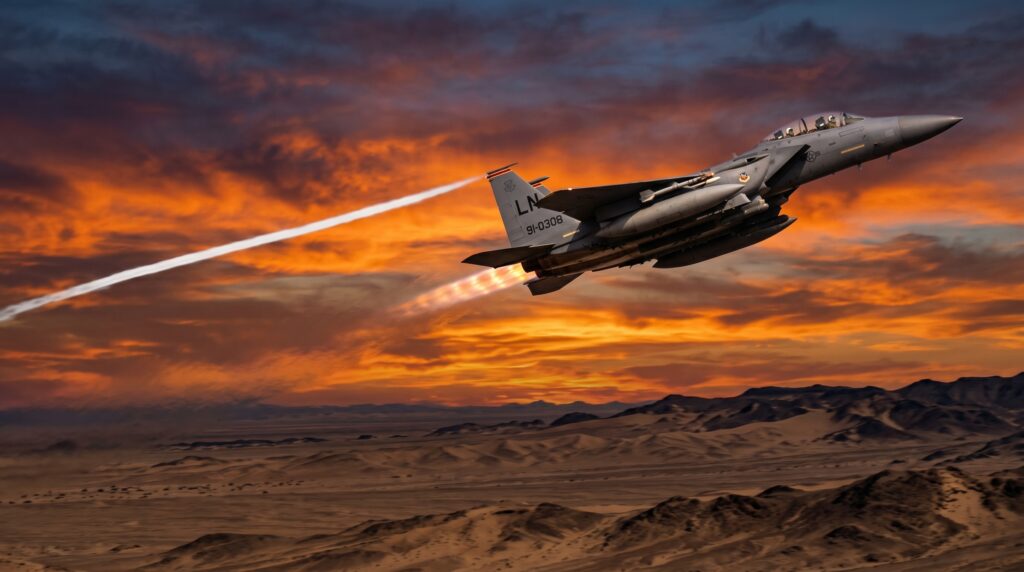
The question of whether China has already supplied Iran with advanced air defense systems is not hypothetical. President Donald Trump confirmed at a press conference on Monday that an American F-15 fighter jet shot down over Iran last week was struck by what he described as a handheld shoulder missile and a heat-seeking missile. Iran claimed it used a new air defense system to hit the jet but declined to provide further details.
Intelligence officials have not confirmed whether the weapon used was Chinese-manufactured. However, the timing of the F-15 shootdown, combined with intelligence now indicating that China is preparing further MANPADS shipments, has deepened alarm across the US national security establishment.
As Bloomberg noted in its coverage of the CNN intelligence report, MANPADs are weapons that can be operated by one person and are easy to transport, conceal, and use.
China’s Strategic Calculus: Oil, Deniability, and a Multipolar World
Why would China risk its standing with Washington, including an upcoming summit between President Donald Trump and President Xi Jinping in Beijing next month, by arming Iran?
The answer, according to one intelligence source cited by CNN, lies in Beijing’s cold strategic logic. China sees no viable path to overtly defeating the United States and Israel in open conflict on Iran’s behalf. Instead, Beijing is pursuing a subtler strategy: remaining a trusted partner to Iran while projecting outward neutrality, maintaining plausible deniability for after the war ends.
Iran supplies China with the bulk of its sanctioned oil. China’s energy dependence on Iran is substantial, with estimates placing Chinese Iranian oil imports at roughly 1.5 to 1.8 million barrels per day in recent years, making Iran one of Beijing’s most critical energy partners. Losing that relationship, or allowing Iran’s military capacity to collapse entirely, would directly threaten China’s energy security and its broader vision of a multipolar world order that challenges US dominance.
Intelligence sources said Chinese officials may also argue that delivering air defense systems, which are inherently defensive in nature, differs fundamentally from the offensive military support Russia has been providing Iran. Moscow has reportedly been sharing intelligence with Tehran that helped Iran proactively target US troops and assets in the Middle East throughout the conflict. China backing Iran through a defensive weapons lens allows Beijing to present itself as more restrained than Moscow, even while still enabling Tehran’s war capacity.
Trump’s 50% Tariff Threat: The Economic Weapon
President Donald Trump did not wait for diplomatic channels to address the China-Iran weapons concern. Shortly after agreeing to the ceasefire with Tehran this week, Trump announced that any country found supplying military weapons to Iran would face immediate 50% tariffs with no exemptions.
The announcement is a direct warning to Beijing. Whether it will deter China sending weapons to Iran, or simply accelerate covert routing through third countries, remains an open question that analysts in Washington are actively debating.
Russia, North Korea, and the Axis of Support for Iran
China is not acting alone in the broader geopolitical landscape surrounding Iran. Russia has been actively assisting Tehran throughout the conflict, with intelligence sharing that has directly helped Iran target US military assets. Iran, in turn, previously aided Russia’s war in Ukraine through the supply of Shahed drones, a web of mutual military dependencies that spans multiple ongoing conflicts.
North Korea’s Kim Jong-un has also been vocal in his support for what he and other leaders have framed as a multipolar world realignment against Western dominance, a rhetorical frame that China has consistently promoted as well. Kim’s alignment with China’s multipolar world vision provides additional ideological scaffolding for the anti-US coalition that appears to be forming around Tehran.
Meanwhile, NATO allies are watching the China-Iran weapons developments closely. NATO’s collective security doctrine is stress-tested whenever US military assets face novel threats, and MANPADS capable of downing American aircraft represent exactly that kind of novel threat.
Hungary’s Prime Minister Viktor Orban has separately been vocal about pursuing independent diplomatic routes in the Middle East conflict, adding another layer of tension within the NATO alliance as members diverge on how to respond.
Iran’s Remaining Military Capacity
Despite the five-week war with the United States and Israel, Iran’s military has not been disarmed. A separate report cited by Anadolu Agency on Saturday noted that Iran still possesses thousands of ballistic missiles, a critical fact as ceasefire negotiations continue in Islamabad. The prospect of China sending weapons to Iran on top of this surviving arsenal compounds the strategic risk calculations for US military planners.
Iran’s supreme leader has long championed a doctrine of strategic patience and deterrence through asymmetric means, and MANPADS fit precisely within that doctrine.
What Happens Next: Islamabad Talks and the Xi-Trump Summit
The immediate future of Iran-China news turns on two diplomatic axes. First, the Islamabad negotiations led by JD Vance this weekend. Iran and the US have now reportedly moved to text-based exchanges following an initial face-to-face round, a sign of cautious but ongoing dialogue. France has publicly backed the Islamabad talks as a framework for a broader Middle East war settlement. US Central Command has also begun a mine clearance mission in the Strait of Hormuz, signaling practical steps toward stability.
Second, the Trump-Xi summit planned for next month in Beijing now carries extraordinary weight. If confirmed intelligence about China sending weapons to Iran reaches the negotiating table in Beijing, the summit could either produce a crucial restraint commitment from Beijing, or expose a fundamental breakdown in US-China trust.
Frequently Asked Questions
Is China sending weapons to Iran right now? According to a CNN exclusive report published April 11, 2026, US intelligence indicates China is preparing to deliver MANPADS to Iran within the coming weeks. Beijing has denied the claims, calling them untrue and baseless allegations.
What are MANPADS and why are they dangerous? MANPADs (Man-Portable Air Defense Systems) are shoulder-fired surface-to-air missiles that can be operated by a single soldier. They are highly portable, easy to conceal, and effective against low-flying aircraft including helicopters and jets on approach. A US F-15 may have been downed by this class of weapon during the recent US-Iran conflict.
How much oil does China get from Iran? China is Iran’s largest oil customer. Despite international Iran sanctions, China has continued purchasing Iranian crude oil, estimated at approximately 1.5 to 1.8 million barrels per day, making Iran one of Beijing’s most critical energy partners.
Is China helping Iran in the war? US intelligence suggests China has been helping Iran indirectly throughout the conflict that began February 28, 2026. Chinese companies have sold Iran sanctioned dual-use technology enabling weapons production. The new intelligence reported by CNN indicates the Chinese government may now be preparing to directly transfer weapons systems, a significant escalation that Beijing firmly denies.
What is JD Vance doing in Islamabad? Vice President JD Vance is leading a US diplomatic delegation in Islamabad, Pakistan, for direct talks with Iranian officials this weekend. The negotiations aim to determine whether the current two-week ceasefire can evolve into a lasting peace settlement.
Does China have nuclear weapons? Yes. China is one of the five recognized nuclear-armed states under the Nuclear Non-Proliferation Treaty. China maintains an estimated arsenal of over 500 nuclear warheads, including intercontinental ballistic missiles such as the DF-41 (Dongfeng-41), which is capable of reaching the continental United States.
What is the DF-41 missile? The DF-41 (Dongfeng-41) is China’s most advanced intercontinental ballistic missile. It is road-mobile, solid-fueled, with an estimated range of over 12,000 kilometers, and is capable of carrying multiple independently targetable reentry vehicles. It represents the backbone of China’s strategic nuclear deterrent and is a frequent subject of US military and NATO threat assessments.
What tariffs did Trump announce related to Iran? President Donald Trump announced this week that any country found supplying military weapons to Iran would face immediate 50% tariffs with no exemptions, a direct economic warning aimed at Beijing and other potential arms suppliers amid the fragile ceasefire.
What is the current status of the US-Iran ceasefire? A two-week ceasefire between the United States and Iran took effect on Wednesday, April 9, 2026, following five weeks of open warfare. The ceasefire remains fragile. Diplomatic talks are ongoing in Islamabad. US Central Command has begun mine clearance operations in the Strait of Hormuz as a practical step toward stability.
How does the Ukraine conflict connect to Iran and China? Iran previously supplied Russia with Shahed drones used in its war against Ukraine, deepening the Russia-Iran military relationship. Russia has, in turn, been sharing intelligence with Iran to help target US military assets. China has backed Russia’s broad multipolar world framing in global forums. These overlapping alliances form a consequential axis that NATO and US strategic planners are watching with growing concern.
Sources: This article is based on reporting from CNN, Bloomberg, Anadolu Agency, the New York Times, Deccan Herald, and Times of India, as well as official statements from the US State Department and US Central Command. All facts have been verified against multiple independent news sources as of April 11, 2026.


